Our Origin Story
A Bluetooth Speaker Said Goodbye to My Father.
It was October 2017. The funeral home's sound system crackled, a tinny compressed file of "Amazing Grace" filling a room that deserved silence before it deserved music. I watched my mother's shoulders tighten. I watched my brother stare at the floor. And I thought: this is the last sound he will ever hear from us.
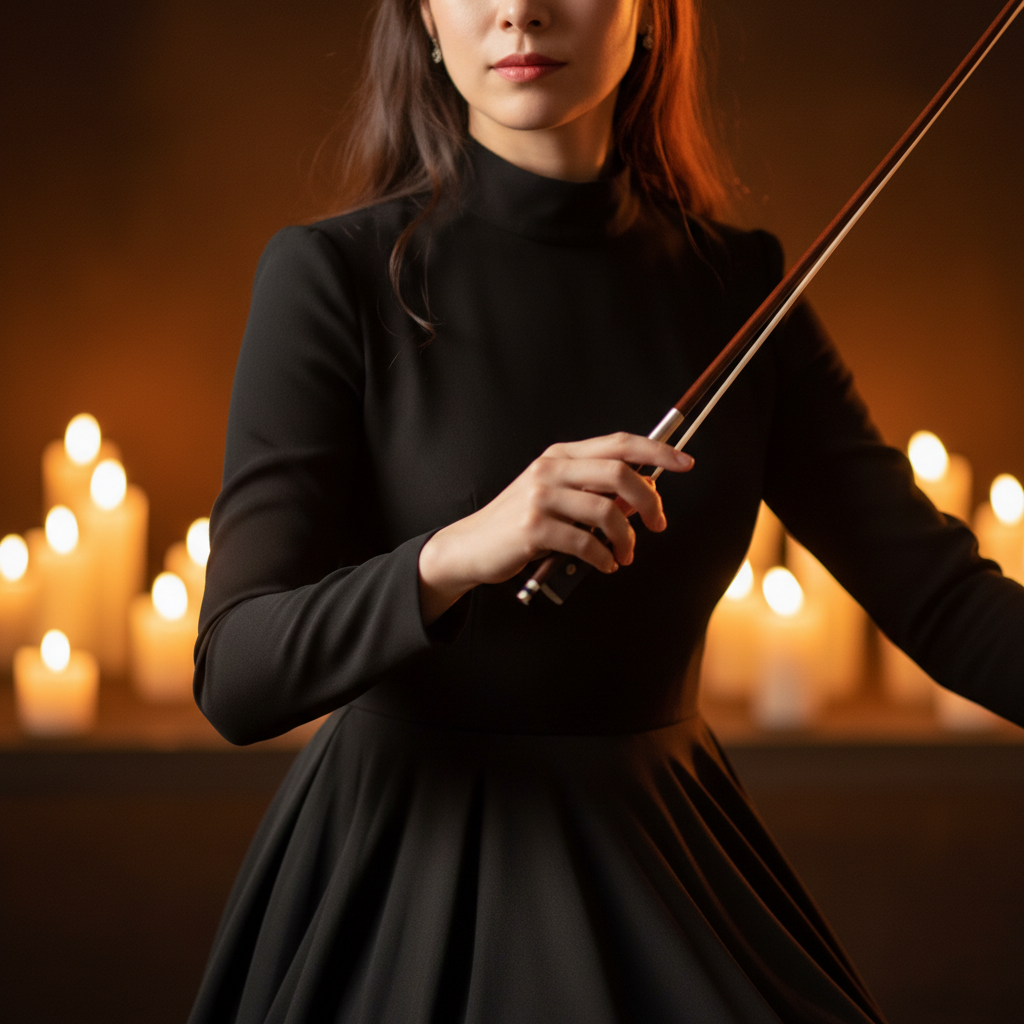
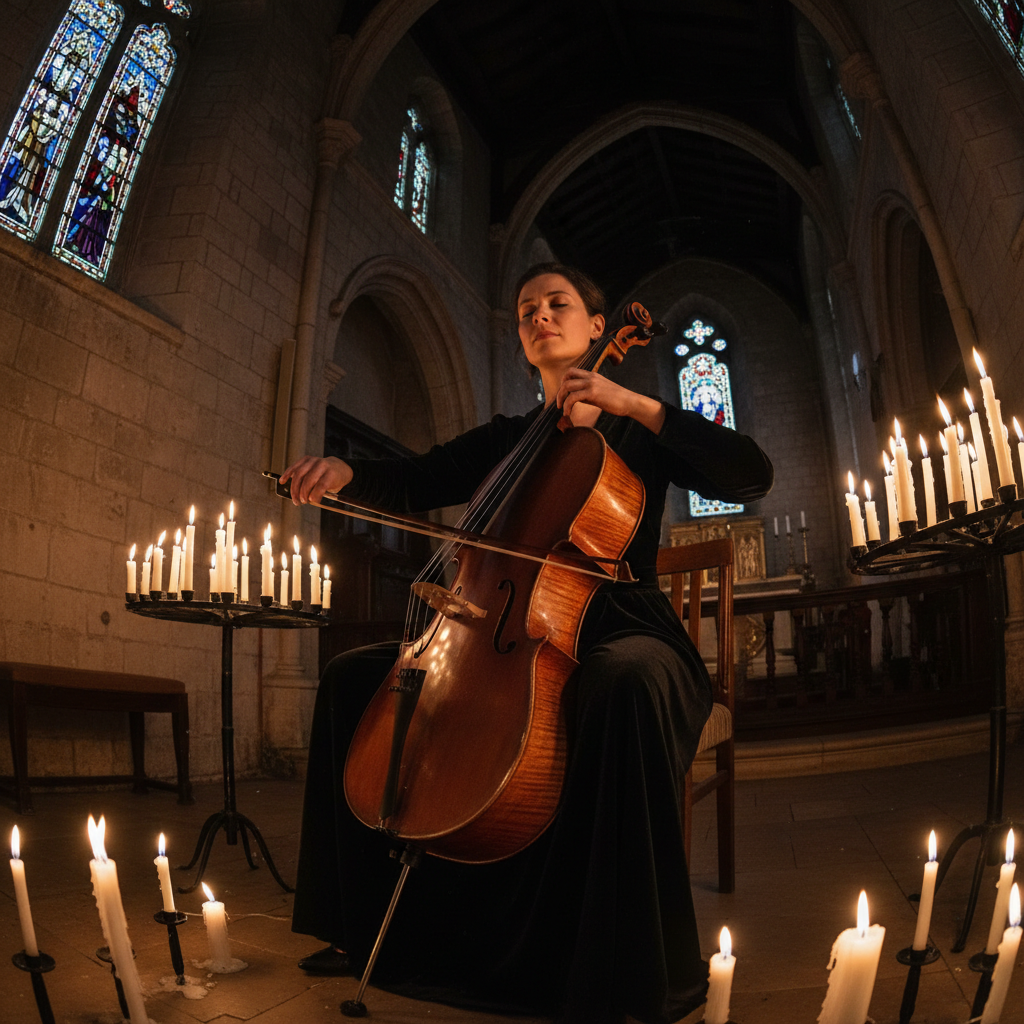
I drove home that night and took my cello out of its case for the first time in three years. I had studied at Eastman. I had performed in concert halls. But I had never once thought to stand beside a casket. The next morning, I called the funeral director and asked if I could come back — not for a fee, just to play.
Word Travels Quietly Through Grief.
A funeral director in Mount Pleasant mentioned me to one in Summerville. A widow whose husband had died to music told her sister, whose husband died two years later. By 2019, I had played at 47 services. By 2021, I could no longer do it alone.
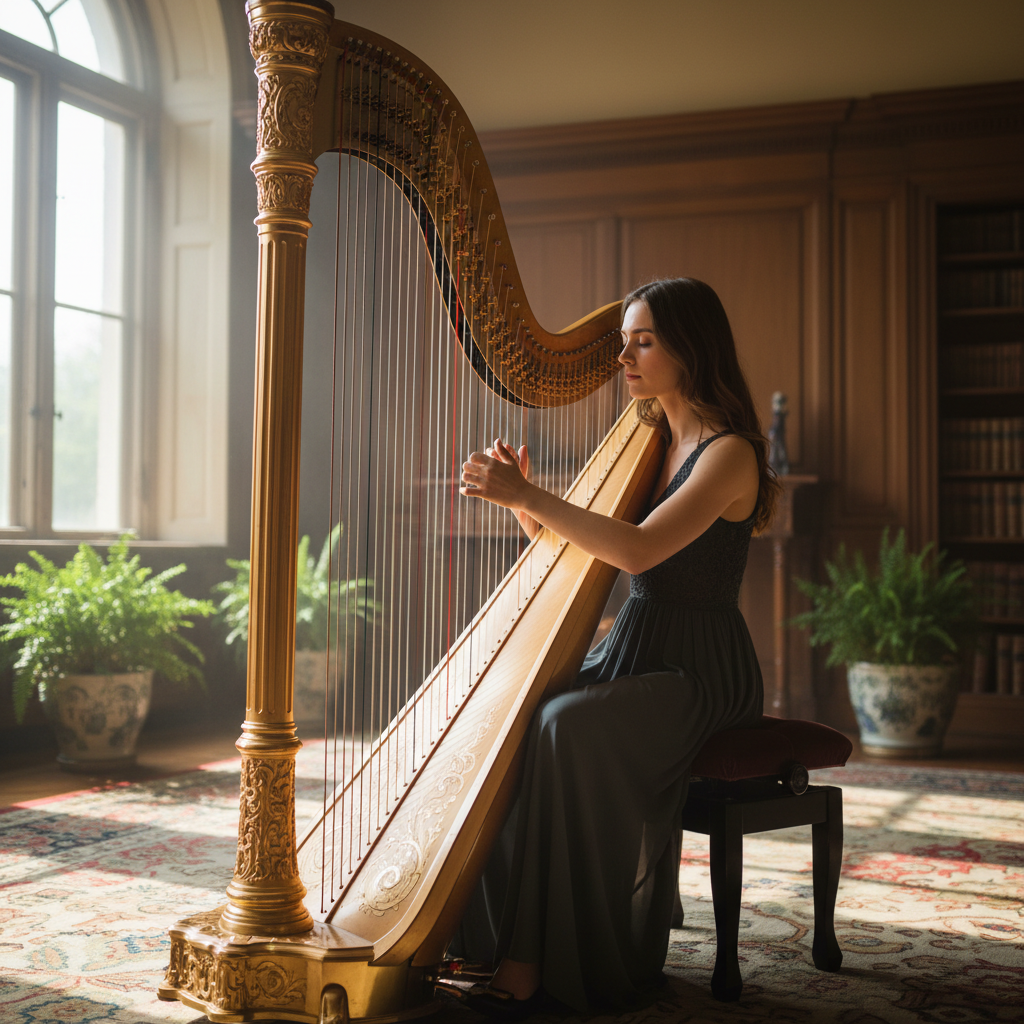
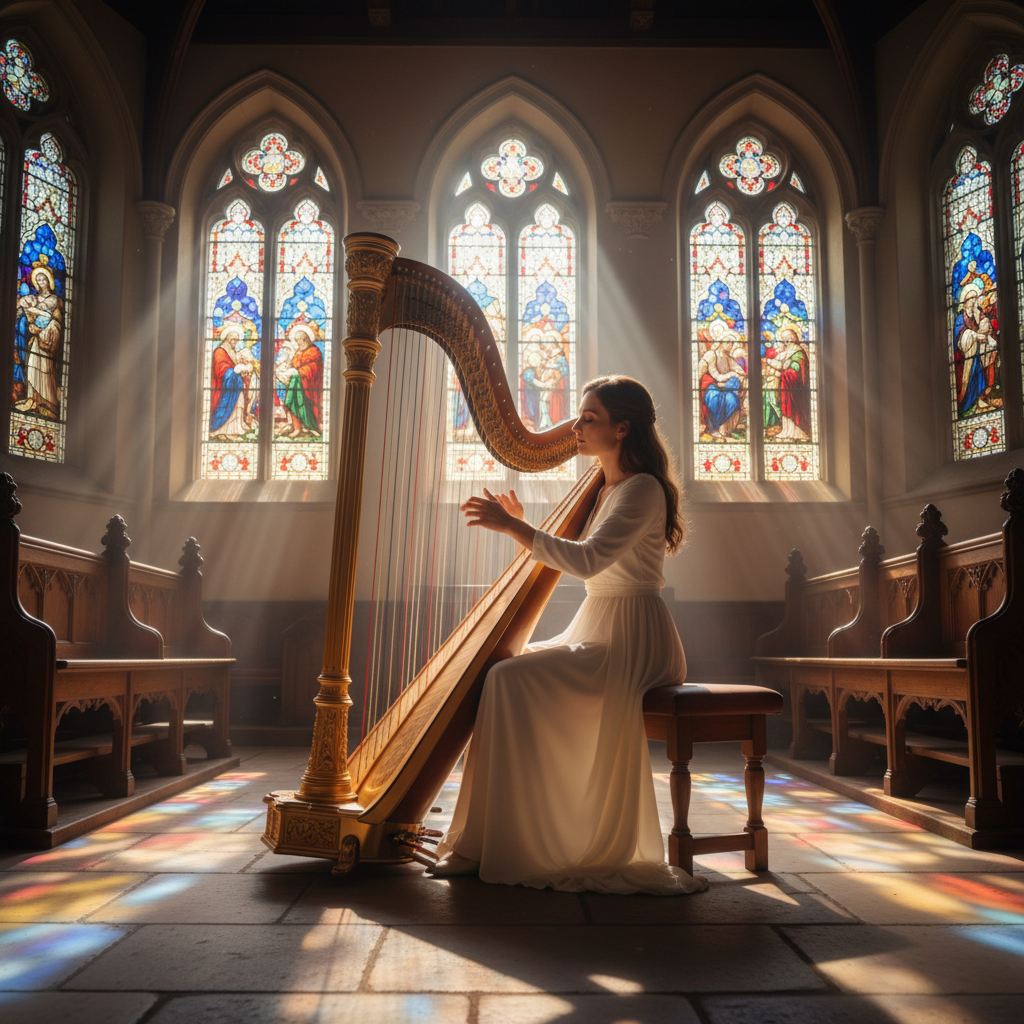
I called my conservatory friend Miriam, a harpist who had spent a decade in orchestral pits. I called Daniel, a tenor whose voice could hold a room without a microphone. We began taking services together — a duo for small chapels, a trio for larger gatherings. We called ourselves Requiem, the Latin word for rest. Not for death. For rest.
Three Hundred Services. One Reason.
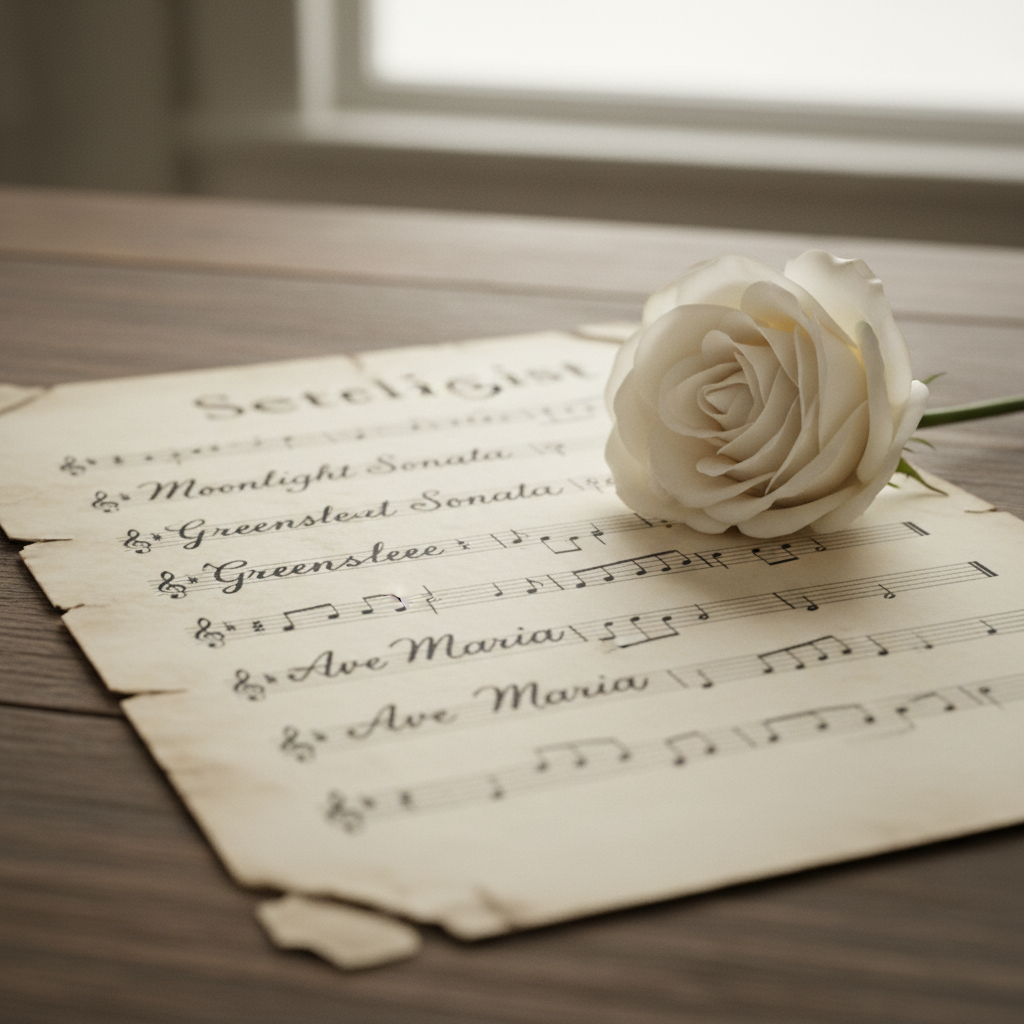
We have played in funeral homes with cathedral ceilings and in backyards under oak trees. We have played for veterans and for children. We have played "Danny Boy" twelve times and "Ave Maria" perhaps forty. We have played pieces the family printed from a handwritten note found in a bedside drawer.
Every service is the same in one way: the room is full of people who do not know what to do with their bodies. And then the music begins, and their shoulders drop, and they exhale — many of them for the first time in days. That exhale is why we do this.